
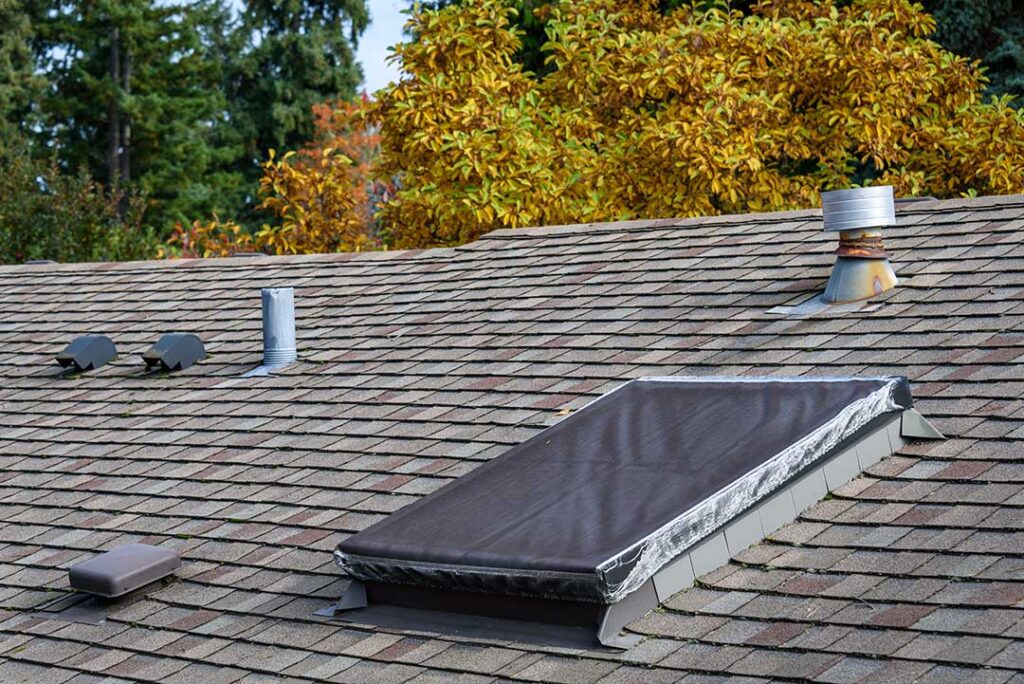
Why tree limbs are a roofing concern
Tree limbs can damage a roof in several ways, from breaking shingles during a storm to creating slow, hidden moisture problems. In Arcade, NY, seasonal wind, heavy snow, ice, and freeze-thaw cycles can increase the stress on trees and roofing materials at the same time.
A limb does not have to fall directly onto a roof to create trouble. Overhanging branches may scrape the surface, drop leaves into drainage areas, or provide a pathway for squirrels and other wildlife to reach the roofline. Damage that appears minor from the ground can become more serious after repeated weather exposure.
What happens when a limb falls on a roof?
A falling limb can puncture or crack roofing materials, damage flashing, break gutters, and loosen the roof structure beneath the surface. The severity depends on the limb’s size, fall direction, height, and whether it lands on a vulnerable area such as a valley, ridge, skylight, chimney, or roof edge.
Common types of impact damage include:
- Cracked, torn, or missing shingles
- Dents or splits in metal roofing
- Damaged ridge caps or vent covers
- Bent or separated flashing around chimneys and roof penetrations
- Crushed gutters, downspouts, or fascia
- Broken roof decking beneath the outer covering
- Damage to rafters or trusses in severe cases
- Water entry around a puncture that is not immediately visible
A roof may continue to look mostly intact after a limb strikes it. Shingles can remain in place while their seal strips, edges, or underlying layers have been compromised.
Can branches damage a roof without falling?
Yes. Branches that constantly touch the roof can wear away protective granules and scrape the surface whenever wind moves them. This repeated contact may shorten the life of shingles, especially on roof slopes facing prevailing winds.
Small twigs can also collect in valleys and behind roof penetrations. Once damp, this material holds moisture against the roofing surface. Over time, trapped debris can encourage algae growth, decay of nearby wood, or deterioration around flashing.
Branches that rest against the roof may also lift shingles during gusts. Even a small opening can allow wind-driven rain or melting snow to enter beneath the roofing layers.
How do trees affect gutters and roof drainage?
Leaves, needles, twigs, and seed pods can clog gutters and downspouts. When water cannot drain normally, it may overflow along the roof edge, soak the fascia, or collect near the foundation.
Blocked drainage is especially concerning during freeze-thaw weather. Water trapped in a gutter can freeze, expand, and add weight to the system. Repeated freezing and thawing may pull gutters away from the fascia or contribute to ice buildup along the roof edge.
Overflow can also reach areas where the roof covering meets siding, trim, or masonry. These joints are common locations for moisture to enter if flashing or sealants are already worn.
Which trees and limbs pose the greatest risk?
The most concerning trees are not necessarily the largest. A mature tree with healthy, flexible limbs may be less hazardous than a smaller tree with dead branches, trunk decay, root problems, or storm damage.
Warning signs include:
- Dead limbs, especially those located above the roof
- Branches with cracks, cavities, or loose bark
- Limbs that rub against one another
- Trees leaning toward the house
- Fungus growth near the trunk base
- Exposed or damaged roots
- Branches that sag under snow or ice
- Fresh splits caused by wind, lightning, or heavy storms
Evergreens can create additional seasonal concerns because their branches may hold substantial snow. Deciduous trees lose their leaves but can still drop deadwood during windy weather. A limb that appears stable in summer may become more vulnerable after ice, snow, or saturated soil affects the tree.
What roof areas should residents inspect after a storm?
After strong wind, wet snow, or ice, inspect the roof from the ground first. Look for missing shingles, hanging branches, displaced flashing, damaged gutters, and debris concentrated in valleys or near roof penetrations.
Inside the home, check the attic and upper-floor ceilings for:
- Damp insulation
- Darkened wood
- Water stains
- Dripping or damp roof decking
- Musty odors
- Daylight visible through the roof
- New drafts near the roofline
Water may not appear directly beneath the damaged area. It can travel along rafters, roof decking, insulation, or ceiling materials before becoming visible indoors.
Do not climb onto a roof to inspect storm damage while it is wet, icy, covered with snow, or obstructed by branches. A fallen limb may also have affected electrical lines or made the roof surface unstable.
Should a fallen branch be removed immediately?
A small branch lying on the ground can usually be handled once conditions are safe, but a large limb resting on the roof requires caution. Removing it incorrectly can cause additional damage by dragging across shingles, shifting the branch’s weight, or disturbing electrical equipment.
Avoid walking beneath suspended limbs or cutting a branch that is under tension. A limb supported by the roof may spring or roll unexpectedly when cut. If power lines, structural damage, or large hanging branches are involved, the situation may require assistance from a qualified tree or utility professional.
The safest approach is to keep people away from the affected area until the hazards are understood.
How can tree-related roof damage be reduced?
Prevention begins with maintaining reasonable clearance between tree limbs and the roof. Branches should not rub against shingles, rest on the roof, or hang directly over important drainage areas.
Useful maintenance practices include:
- Removing dead or weakened limbs before storm season
- Keeping branches away from roof surfaces and gutters
- Checking trees after heavy snow, ice, or wind
- Clearing leaves and twigs from valleys and gutters
- Watching for trees that have begun leaning
- Keeping records and photographs of existing roof and tree conditions
- Trimming only when the work can be done without climbing onto the roof or using unsafe equipment
Tree trimming should not be performed from the roof with household tools. Sloped surfaces, ladders, chainsaws, and overhead branches create serious fall and cutting hazards.
Does homeowners insurance cover damage from tree limbs?
Coverage depends on the policy language, the cause of the damage, and whether the condition developed suddenly or gradually. A storm-damaged roof may be treated differently from a roof that deteriorated over time because branches repeatedly scraped it or gutters were left blocked.
Insurance questions can also involve responsibility for the tree, damage to other structures, temporary protection from water, and deductibles. Photographs, weather records, repair receipts, and notes about when the damage was discovered may help document the situation. Policyholders should read their own coverage documents and ask the insurer how the specific loss is handled.
A roof that has been struck by a limb should be treated as both a roofing issue and a potential tree-safety issue. Looking beyond the visible impact—especially around flashing, roof edges, gutters, attic areas, and nearby branches—helps reveal damage before a small opening becomes a larger moisture problem.
