
What Is a Professional Roof Inspection?
A professional roof inspection is a thorough check of the condition, structure, and safety of a home's roofing system, done by a trained inspector. For Arcade, NY residents, it’s a practical way to identify issues early, helping prevent costly repairs and damage associated with weather conditions common to the region.
Typically, an inspection covers roofing materials, flashing, gutters, structural elements, and potential moisture intrusions. In Arcade, seasonal extremes—heavy snowfall, wind, rain, and freeze-thaw cycles—make these inspections particularly relevant. Inspections are useful for regularly maintained properties, before buying or selling a home, or following a severe storm.
What Happens During a Roof Inspection?
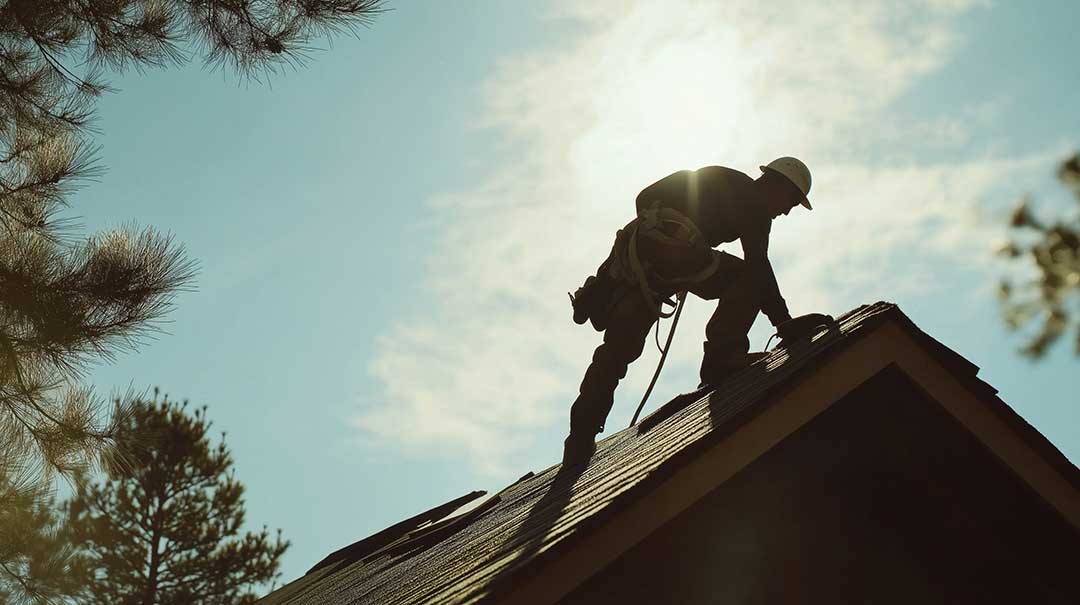
Inspectors usually begin with a walkaround of the property, looking for obvious signs of wear, sagging, or damage from ground level. Next, they examine the roof up close—sometimes accessing it physically, sometimes using binoculars or drones depending on safety and accessibility.
Key elements checked:
- Shingle condition: Missing, cracked, or curling shingles are flagged.
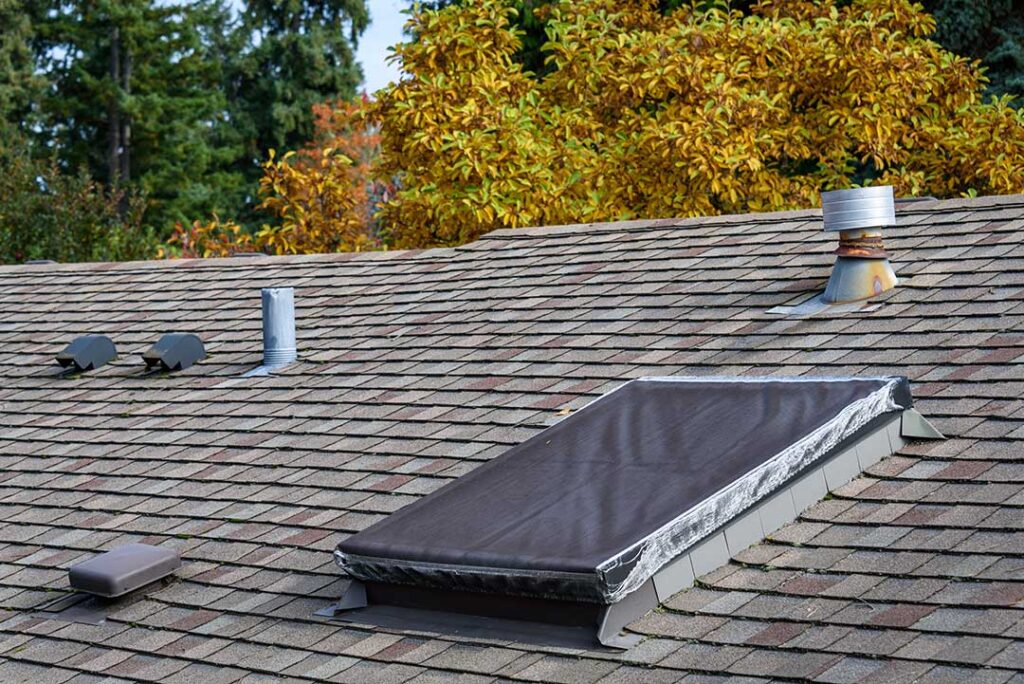
- Flashing and seals: These are areas around chimneys, vents, and valleys, which are prone to leaks.
- Gutters and downspouts: Inspectors look for clogs, rust, improper drainage, and sagging.
- Roof decking: Inside the attic (if accessible), they look for water stains, mold, and visible daylight, all of which suggest leaks.
- Ventilation: Proper attic airflow is crucial, especially in climates with cold winters like Arcade, to prevent ice damming.
- Fasteners and connections: Missing or rusted nails, screws, or fastenings can lead to material loosening under heavy wind.
In Arcade, winter’s effect on roofing is a special focus: ice dams, wind-driven rain, and snow accumulation often reveal subtle issues not visible during milder seasons.
How Long Does a Roof Inspection Take?
Most standard inspections take between 45 minutes and two hours for an average-sized home. Older homes or those with complex rooflines can take longer. Factors influencing timing include:
- Roof pitch and accessibility
- Roof size and number of features (chimneys, skylights, solar panels)
- Presence of layers of old roofing material
Local homes built decades ago, or those with unique architectural features (such as gables or dormers), may require extra time for a thorough review.
Will the Inspection Damage the Roof?
A common concern is whether walking on shingles or tiles can cause damage. Reputable inspectors use careful techniques, appropriate footwear, and minimal foot traffic. In some cases—especially after a snowstorm or when the roof is fragile—inspectors may avoid walking on it altogether, opting for visual tools or even reviewing the interior structure from the attic instead.
In Arcade, slippery conditions during late fall or early spring might limit direct roof access for safety reasons, but this does not reduce inspection quality if alternative methods are used.
What Kinds of Problems Are Most Often Found in Arcade?
Area residents frequently deal with:
- Damaged or missing shingles following severe winter storms or summer wind gusts
- Blocked or sagging gutters, especially after autumn leaf fall
- Ice dams and related water infiltration during thaw periods
- Moss, algae, or lichen growth due to humid conditions in shaded areas
- Small leaks that may go unnoticed until they create visible ceiling stains
Older homes in the city may also have outdated or improperly installed flashing, increasing the risk of water leaks.
What Should Homeowners Do Before and After an Inspection?
Before the inspection:
- Clear driveways or walkways if snow or branches may obscure ground access.
- If an attic check is involved, ensure access is not blocked by storage.
- Document any interior signs of roof leaks, like ceiling spots or peeling paint.
Afterwards:
- Review the inspection report, which usually includes photographs and written notes.
- Ask for clarification of unfamiliar terms—inspectors should be willing to explain findings in plain language.
- Address urgent repairs (like active leaks) promptly to avoid worsening damage, especially in the context of upcoming seasonal weather.
How Often Should Roofs Be Inspected Locally?
Most experts recommend annual inspections for homes in areas with severe weather, such as Arcade. If a home has a history of damage or is surrounded by large trees, additional checks after big storms or in the fall (after leaves drop) are helpful.
For newer roofs, every two to three years may be sufficient under calm conditions, but heavy winter use, windstorms, or visible wear call for more frequent evaluations.
Are There Common Misconceptions About Roof Inspections?
A few mistaken ideas circulate among local homeowners:
- That a new roof never needs inspection—while less likely to have problems, any roof can suffer from unexpected damage or installation errors.
- That damage is always visible from the ground—many leaks start small and aren’t noticeable until stains appear indoors.
- That insurance always covers damage—a lack of regular inspections may complicate claims, especially if neglect is suspected.
What Should You Expect in the Inspection Report?
A comprehensive inspection report usually provides:
- Descriptions and photographs of problem areas, with severity noted
- An assessment of the roof’s expected remaining lifespan
- Recommendations for repairs or preventative maintenance
- Observations on ventilation, insulation, and attic conditions (where accessible)
In Arcade, references to issues relating to heavy snow or ice buildup, as well as drainage concerns specific to the community’s sloped lots and tree cover, are often included.
