

Why do gutters matter to roof health?
Gutters help move rain and melting snow away from the roof edge, walls, foundation, and surrounding soil. In Arcade, NY, where homes experience freeze-thaw cycles, heavy rain, and seasonal snow, that drainage function can affect the condition and service life of the entire roofing system.
A roof does not operate separately from the rest of the house. Water that is not directed away properly can reach roof trim, fascia boards, soffits, siding, windows, crawl spaces, basements, and foundation walls. Over time, drainage problems may become roof problems.
Gutters are designed to collect water from the roof slopes and carry it through downspouts to a safer discharge point. They do not make a roof waterproof, but they reduce the amount of uncontrolled water exposure around vulnerable edges and lower portions of the building.
How can poor gutter drainage damage a roof?
Poor drainage can damage a roof in several ways, especially near the eaves and roof edges.
If gutters are clogged, sagging, or separated from the roofline, water may spill over the back or front edge. Repeated overflow can soak fascia boards and the lower ends of roof sheathing. Wood that stays damp is more likely to develop rot, decay, or mold-like staining.
Water can also run behind the gutter rather than into it. This may happen when the gutter has pulled away from the fascia, the roof edge is improperly aligned, or the drip edge does not direct water correctly. Hidden moisture in this area can be difficult to notice from the ground.
During freezing weather, trapped water may expand as it turns to ice. Ice can pull at fasteners, distort gutter sections, and loosen connections along the roof edge. Snow and ice also add weight to the drainage system, particularly when leaves and sediment prevent normal flow.
Common warning signs include:
- Peeling or blistered paint on fascia boards
- Dark staining beneath the roof edge
- Water marks on soffits or exterior walls
- Gutters that bow, sag, or pull away from the house
- Puddles or eroded soil below downspouts
- Dampness near basement walls after rain
- Dripping from the roof edge even when gutters appear intact
These signs do not always identify the exact source of the problem, but they indicate that water is not being controlled as intended.
Do gutters prevent roof leaks?
Gutters do not prevent every roof leak. Roof leaks may originate from damaged shingles, flashing, penetrations, valleys, skylights, ice-related conditions, or problems with underlayment. However, properly functioning gutters can reduce water exposure at the roof perimeter and help prevent drainage-related damage.
A gutter issue can sometimes resemble a roof leak. For example, water entering near the edge of an attic or upper wall may be caused by overflow, a blocked downspout, or water traveling behind the gutter. Interior staining alone does not prove that the roofing material is the source.
The location and timing of the water can provide useful clues:
- Staining near an exterior wall may relate to gutter overflow or flashing.
- Water appearing only during heavy rain may point to capacity or blockage problems.
- Drips during thawing may involve ice, snow, or a blocked drainage path.
- Moisture that appears far from the visible stain may have traveled along framing.
Because water can move through roofing and wall assemblies, recurring interior moisture should not be ignored.
Why are gutters especially useful during winter?
Winter places unusual stress on roof drainage systems. Snow may melt during a mild period and refreeze at the roof edge, creating ice along gutters and eaves. If water cannot drain, it may back up beneath roofing materials or remain against wood components.
This condition is commonly associated with ice dams, although not every ridge of ice creates an active leak. Ice dams are more likely when roof heat, attic ventilation, insulation levels, and outdoor temperatures combine to produce uneven melting. Gutters can contribute to the problem when they are packed with debris or positioned in a way that prevents meltwater from leaving the roof edge.
Gutters should not be treated as the only solution to winter roof problems. Safe attic insulation and ventilation, proper air sealing, roof design, and snow management also matter. Removing ice from a roof can be hazardous and may damage shingles, flashing, or gutters if done aggressively.
How often should gutters be checked?
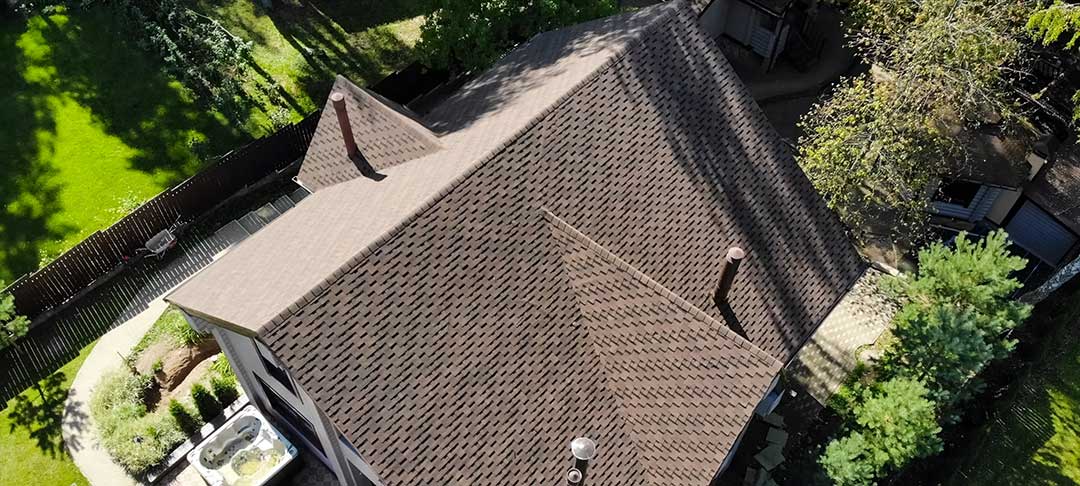
Gutters should be checked at least twice each year and after unusually heavy storms. In a community with mature trees, more frequent observation may be necessary during autumn leaf fall.
A practical inspection schedule includes:
- Early spring, after snow and ice have stressed the system
- Late autumn, after most leaves have fallen
- After strong wind, heavy rain, or a major snow event
- Before winter, if the gutters have shown overflow or drainage issues
A visual check from the ground can reveal sagging, separation, overflow marks, or damaged downspouts. A closer inspection may be needed to identify compacted sediment, hidden fastener failure, or blockage at an elbow.
Climbing a ladder introduces fall risks, especially on uneven ground, icy surfaces, or two-story homes. Electrical lines, steep slopes, and unstable ladder placement require particular caution. Hazardous conditions are a reasonable reason to leave the inspection or cleaning to someone equipped to perform it safely.
Where should downspouts discharge water?
Downspouts should direct water far enough away from the building to avoid concentrating moisture beside the foundation. The exact arrangement depends on grading, soil, landscaping, foundation design, and local drainage conditions.
A downspout that ends directly beside the foundation can create saturated soil and increase the chance of basement dampness or frost-related movement. Discharge should not be aimed toward a neighboring property, walkway, window well, or area where water will freeze into a hazard.
Extensions can help, but they must remain connected, stable, and positioned so water flows away rather than pooling at the end. Buried drainage systems require attention to slope, blockage, freezing, and where the water ultimately goes.
Can clean gutters still have problems?
Yes. Clean gutters may still fail to protect a roof if they are improperly sloped, loose, undersized for the roof area, damaged, or connected to blocked downspouts. A gutter can look clear at the top while a compacted obstruction remains inside a lower elbow or underground line.
The roof edge itself also matters. Missing or poorly installed drip-edge flashing can allow water to run behind the gutter. In some cases, the gutter is functioning normally but cannot compensate for a roof-edge detail that directs water incorrectly.
For this reason, gutter maintenance should include more than removing leaves. The system should be observed during rain when possible. Water should enter the gutter, move toward the downspouts, and leave the building without overflowing, leaking through joints, or collecting near the foundation.
What should homeowners look for after a storm?
After heavy rain or melting snow, residents can learn a great deal by walking around the home from the ground. Look for overflowing sections, water pouring from seams, detached downspouts, soil washed away beneath discharge points, and damp areas along exterior walls.
Inside the attic or upper floors, check for new staining, musty odors, damp insulation, or moisture near roof edges. Do not walk on wet, damaged, or sagging roof surfaces. Structural weakness and slippery materials may not be obvious.
Prompt attention is especially appropriate when water is entering living areas, wood is visibly deteriorating, the gutter is pulling away from the roofline, or ice and snow have distorted the system. Early identification can help distinguish a simple drainage obstruction from damage involving the roof edge or building structure.
